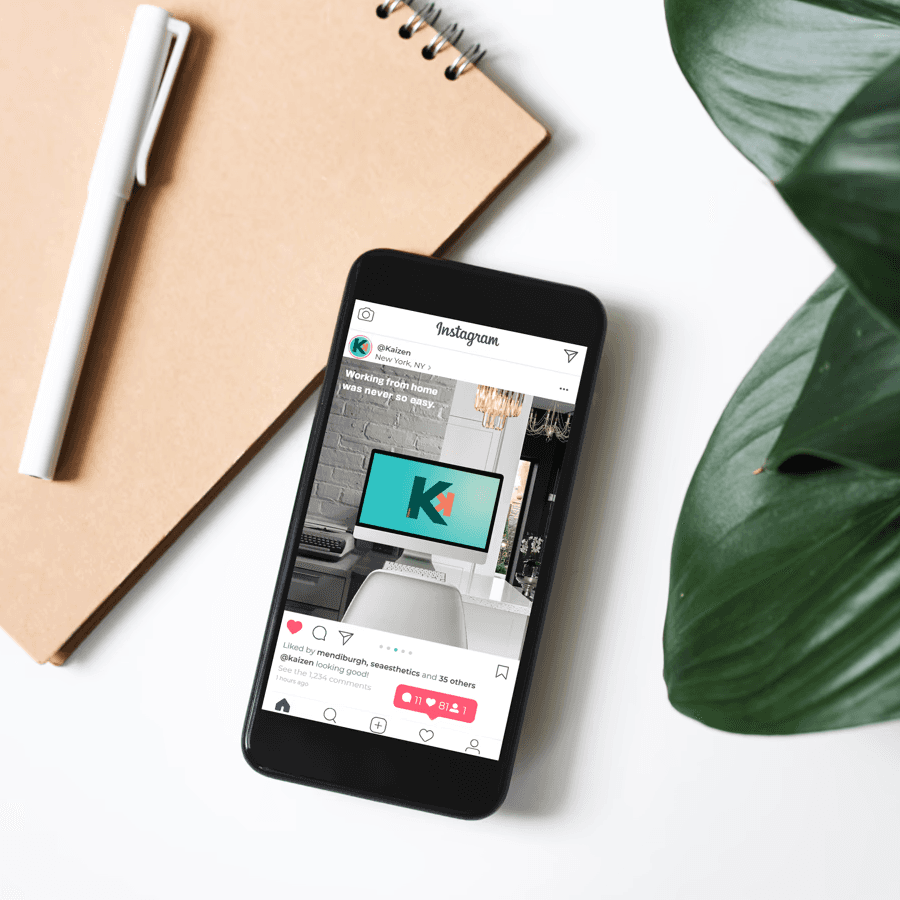
Kaizen competing for RSA Awards
Kaizen is a project that was developed as part of the Royal Society of Arts (RSA) competition,. It is designed to assist individuals with busy daily routines while working from home. With hybrid working gaining widespread acceptance, particularly during and after the pandemic, it has evolved from being a necessity to a requirement for certain jobs.
While hybrid work has been beneficial for some, it has adversely affected others, especially in maintaining a healthy work-life balance. The design challenge for Kaizen is to help users establish and follow healthy routines, ensuring they can manage their work and personal lives more effectively.




My responsabilities
This project was carried out through different online channels and as a Project Coordinator, my responsibilities included organising tasks in "Mural" into sections and facilitating online meetings to ensure a clear and efficient flow of information throughout the project. I conducted research to gather all relevant information and actively contributed to crucial decision-making processes. I communicated effectively to ensure the project progressed smoothly and that we consistently moved in the right direction during the development of our ideas.
On the other hand, as creative collaborator, I conceptualised ideas and designed essential project visuals, including the app logo, the hero image, and the project mock-ups. Additionally, I composed a comprehensive case study of our project for the final files presented to the competition organised by the Royal Society of Arts.
Researching
Despite the increase in the number of available positions in most hybrid companies, employee motivation and productivity have declined. This shift towards hybrid work has particularly affected women with children. They are faced with the challenge of working from home while also managing household responsibilities and taking care of their children, all within the same space. Limited access to childcare and the disruptions caused by the pandemic, such as changes to schooling, have resulted in many women continuing to work from home, while men have found it comparatively easier to return to the office.
How might we?
Our solution should provide guidance on establishing healthier work routines at home, ultimately improving the well-being and satisfaction of remote workers. By understanding how work can impact personal lives and taking proactive steps to mitigate these effects, we can all experience more fulfilling work dynamics
Target audience & stakeholders
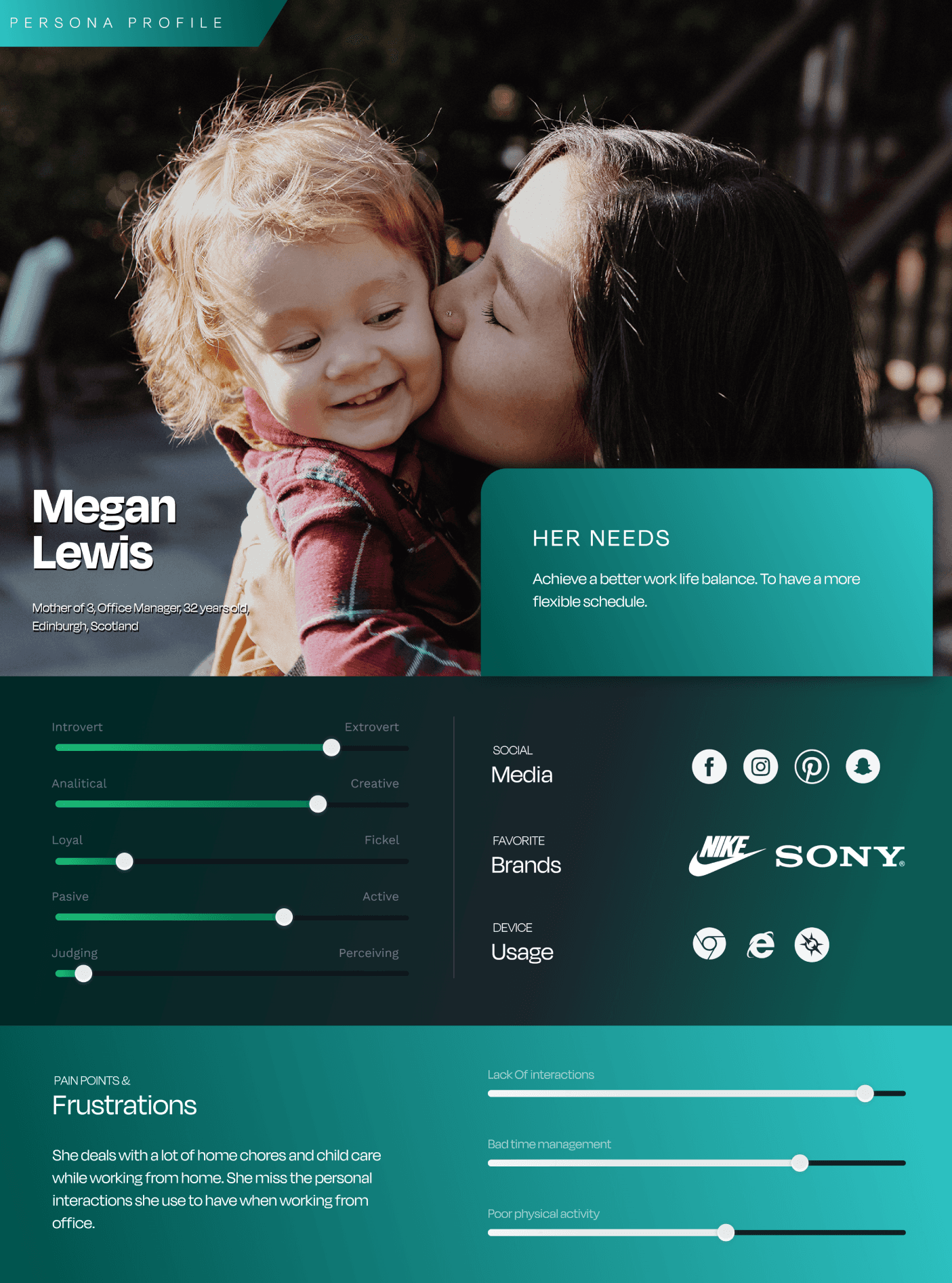
Our primary focus is on women, especially mothers, but the solution aims to benefit all home workers. Stakeholders, including senior management, should also gain a better understanding of the necessary healthy work patterns to follow when working from home.
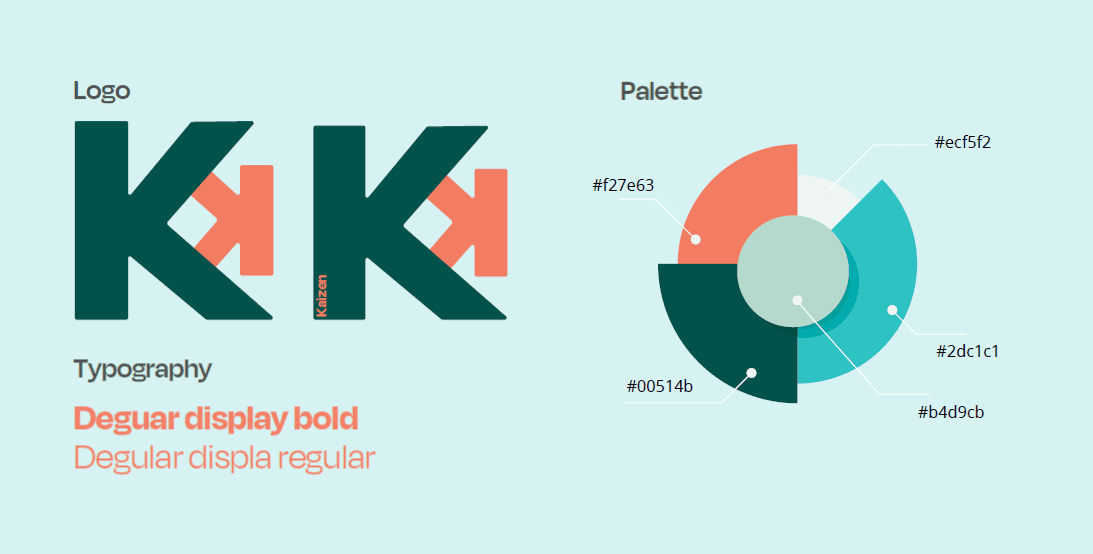
Kaizen is a Japanese term for “continuous improvement.” It involves making small, gradual improvements in all aspects of an organisation over time. By fostering a culture of ongoing learning and employee involvement, kaizen seeks to achieve long term success through continuous enhancements and increased efficiency.
Kaizen user journey
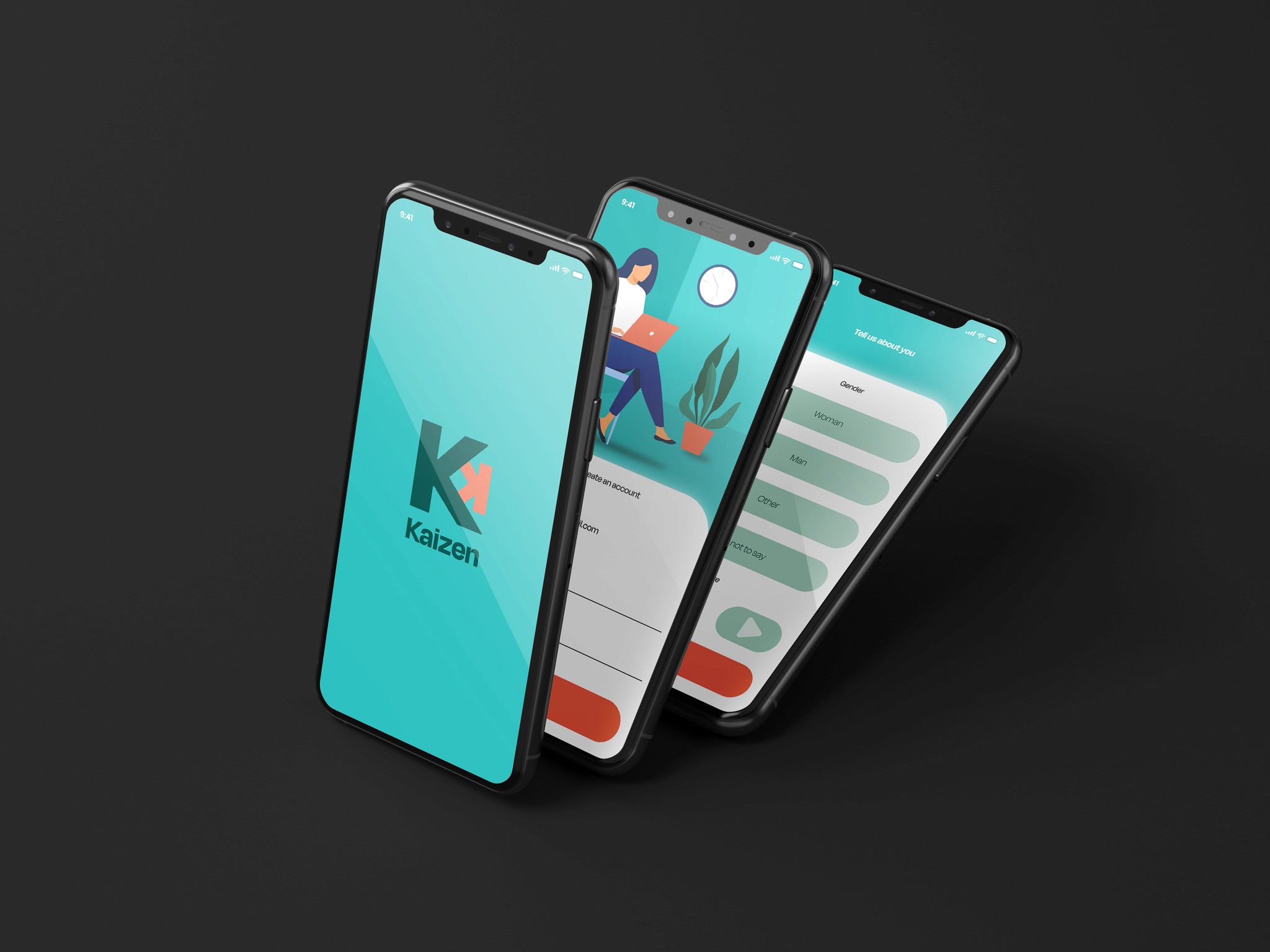
The user will go through an onboarding process that will help personalise the content. The main screen will show the user’s contacts and provide easy access to notifications and news. These are the main features:
The benefits of implementing Kaizen
Kaizen’s thoughtful design directly tackles the challenges of hybrid work by supporting users in creating balanced routines and improving their overall work experience. Its innovative features not only help manage work and personal responsibilities but also foster a sense of connection and engagement among remote workers. Implementing Kaizen can lead to improved productivity, enhanced well-being, and greater satisfaction in remote work settings, ultimately contributing to a more harmonious and effective work-from-home environment.